From the Field to the Front Office: How Sports Build Elite Leaders
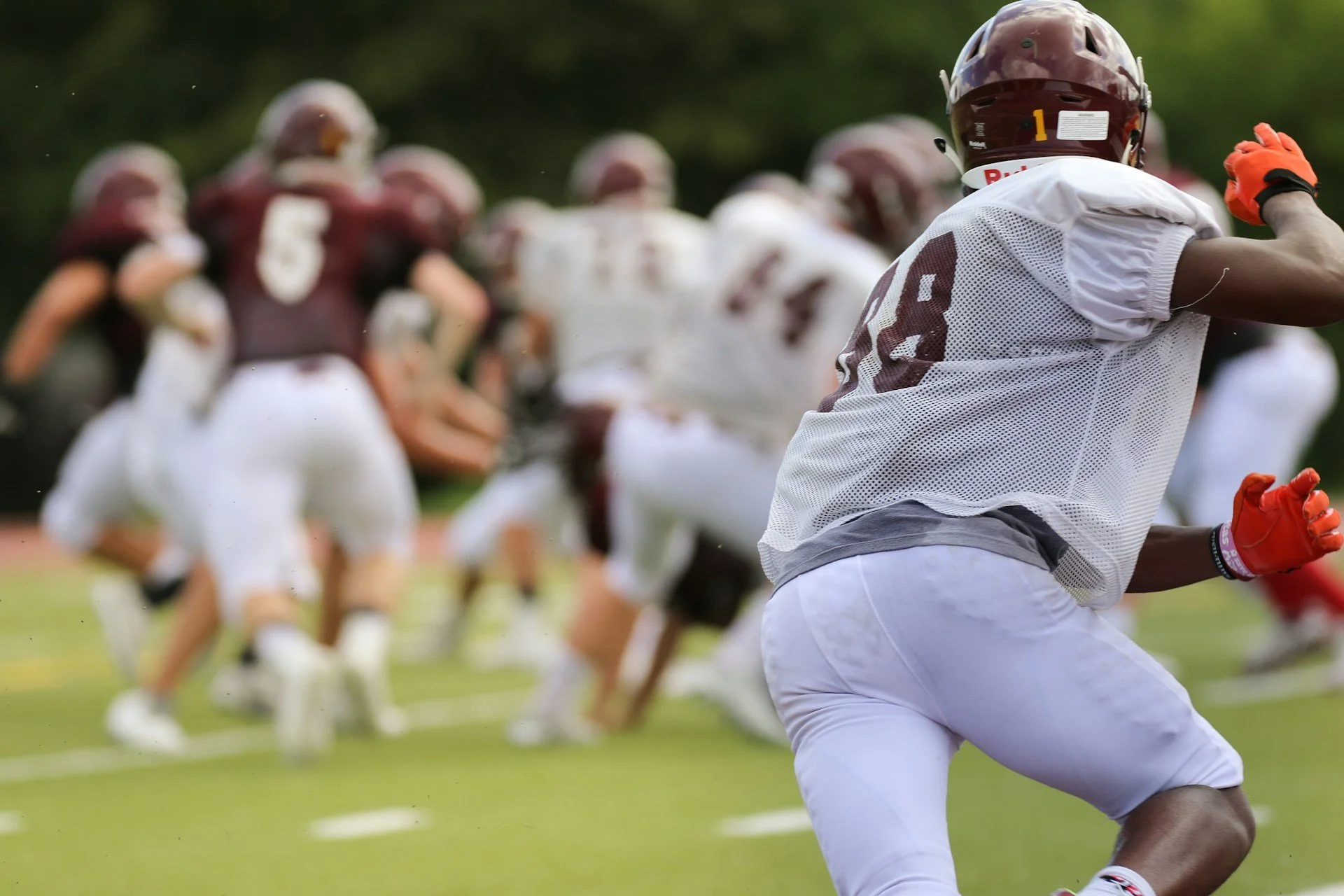
Beyond sports being a way to stay fit and have fun, they’re also an excellent way to grow as a person. When you play sports, you are entrenched in an environment that helps shape who you are. One such benefit of sport is how they help to build leadership skills. These skills help to win games, but also help to succeed in life, on and off the field. I want to explore how sports create leaders and how the lessons we learn in sports can help us lead in our everyday lives.
Building Confidence Through Competence
Becoming a leader starts with confidence; confidence can be derived from many different places. In sport, confidence can be derived through mastery and goal achievement. Your belief in your abilities grows when you put in the effort at practice and see improvement.
Goals are a very important yet misunderstood topic. The prevalence of SMART goals has occurred due to ease of understanding, yet they only truly address one type of goal: Outcome Goals.
Imagine for a moment you are going on a hike to the top of a mountain. What is your purpose for getting to the top? Likely, the feeling of accomplishment or perhaps the view. What does the view and reaching the top of the mountain provide? Motivation. This is an outcome goal.
A map depicting the mountain displays a red dot with the words “you are here” beside it. What does that dot demonstrate? It shows progress towards the achievement of the outcome goal, what we have done and what we need to do to get to the top. This again serves as motivation and reinforcement and is referred to as a performance goal.
You reach a narrow and uneven point of the mountain, sticks, brooks and rocks impede your progress. What do you focus on? Each step, where your feet are, what is happening in that exact moment. This is a process goal. They remind us to stay in the present moment and focus on what we need to do to reach our performance and outcome goals.
So when we set goals and achieve them, we feel more confident, but remember when you set them, start with the outcome, then go to the performance measures you need to achieve the outcome, before finally thinking about what you need to do during each moment to achieve your performance goals.
In creating these challenging goals and achieving them, you will be able to inspire yourself and guide others to achieve similar outcomes.
Learning to Communicate Effectively
Good communication is key to strong leadership; sports are a great place to practice this skill. Clear communication is needed for successful teams, calling plays, working with teammates, or talking with your coach. In sports, you learn to listen, share your thoughts and change your communication based on which teammate or coach you are talking to. This relates back to our previous blog on the feedback loop. For more information, you can check that out here. But essentially, this skill involves a call, response, and confirmation. Limiting errors and ensuring our intended messages are delivered.
Developing Tenacity, Resilience and Grit
Leaders are able to push through when something goes wrong, persevere when there are obstacles and hold on when the path gets rocky. They are also able to inspire others to do the same thing. This skill is developed through sport, which teaches us what is needed to gain these qualities. Athletes face setbacks, injuries, performance slumps etc and how they respond to those challenges defines leadership potential. This is also where our talk about goals comes into play. By setting goals, we can road map potential difficulties and also increase our tenacity through achieving them. Learn from failures, push forward, and maintain positivity despite adversity. Being able to present this as a leader and also help others to achieve these traits is key to being a successful leader.
Encouraging Teamwork and Collaboration
While leaders may feel that they need to shoulder the load, successful leaders actually delegate, collaborate and promote teamwork. Sports show us the importance of teamwork, role clarity, working towards a common goal, and supporting each other. Being part of a team teaches you how to collaborate, understand everyone’s value, and lead by example. Think of great teams like the Blue Jays, where every player had a well-defined role, think of how great the energy around that team felt. Leaders are able to build and lead cohesive teams and understand their importance to success.
Decision Making Under Pressure
Team sports, for the most part, are fast-paced; things can change quickly, making decisions as fast as possible and effectively is crucial to success. You may need to make a quick pass, pick up a player on defence, choose the correct passing lane, and so much more. Having this background from sports will aid you as a leader, where quick thinking and decisive action are often necessary. Sports foster trust in your instincts, an ability to weigh options quickly and commit to a course of action, all essential skills for a successful leader.
Embracing Accountability
When a leader holds others accountable for their actions but not themselves, it discourages team members and leads to an undesired work ethic and a lack of trust. Sport teaches us to take accountability for our actions. Mistakes happen in sport and life; no one is immune to them. By acknowledging our mistakes, we learn from them and normalize them. While we want everyone to be held accountable, we don’t want someone who made a mistake to dwell on it. This is a great time to instil a reset strategy with your team. Such as the three Fs.
Find it: What did I do wrong?
Fix it: How can I fix it?
Forget it: Learn from it, but move past it.
During the “forget it” stage, it may also be helpful to use this time to take a few deep breaths and reset your body.
Final Thoughts
Sports are a nurturing environment for leadership skills. They help to build confidence, communication skills, resilience, and accountability. The lessons we learn on the playing field connect effortlessly to life outside of sport. With these tools in mind, you are well on your way to becoming an effective leader.