Why Communication Wins Games (And How to Improve Yours)
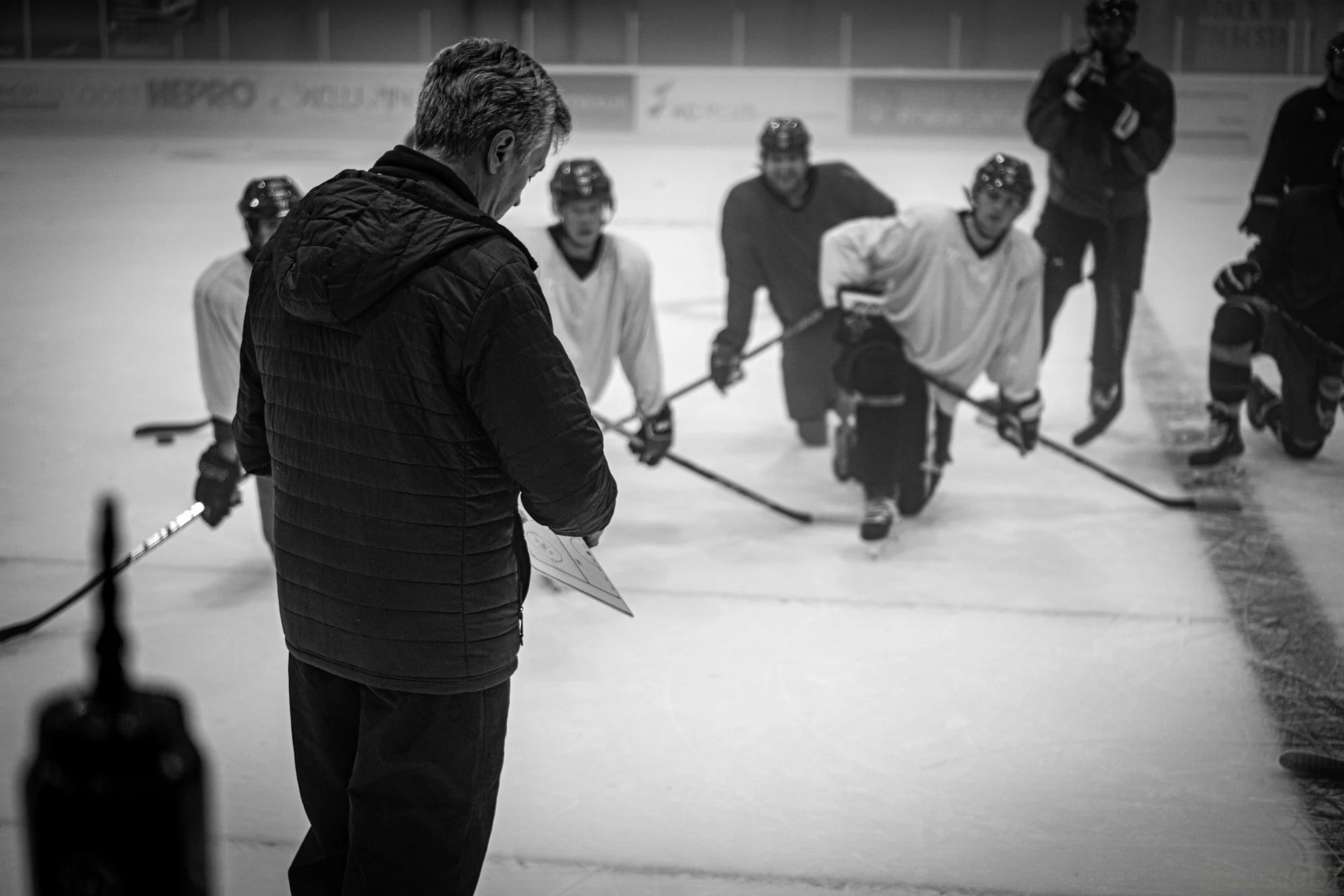
When I think of what makes a great team, I tend to jump to things like speed, strength, skill and strategy. In recent years, however, I have really focused on how often communication is overlooked as a crucial element of team success. In any type of team setting, effective communication is the secret sauce that turns good teams into great ones.
Why is communication so vital for teamwork, and how can your team improve these skills to boost performance?
Why Communication is the MVP
Imagine for a moment trying to play a hockey game where no one talks to each other. No one calls for the puck, no one signals that they are open, and no one gives a heads-up about defence pressuring from behind. You would assume that game would go very poorly for that team, correct? In this case, it is obvious, but without communication, it’s almost impossible to coordinate as a team. You might have the more skilled players, but if you don’t learn to communicate properly with your team you will never realize its full potential.
I don’t want you to think of communication as only shouting out instructions or calling for a pass. It is more about creating a constant flow of information between teammates. Strong communication can even be non-verbal. Having this constant flow helps the team to stay in sync, react quickly, make smarter decisions and limit errors. Communication is the glue that holds our teams together. Let’s explore different ways to communicate.
Types Of Communication
It may seem counterintuitive that communication can be non-verbal, but many forms of communication can be powerful tools. Let’s break them down:
Verbal communication
This is communication at its most obvious form, where players, coaches, and team members use words to share information. Think about the things players say during a hockey game, “one on”, “time!”, “hard around”, “eat it”, or calling out another player's name to signal they are open for a pass. It could also be sharing encouragement on the bench or in the locker room. The key with this type of communication is to be clear, concise, and convincing. There is no time for second-guessing, and overly long forms of communication is a high-paced environment.
Non-verbal communication
Sometimes actions speak louder than words. Non-verbal cues like hand signals, eye contact, and even body language can convey a lot of information quickly. A quick not to indicate you’re ready, pointing your stick to where you want the puck to go, or positioning on the ice can help indicate your intentions to your teammates.
Listening Skills
So, you’ve mastered the first two forms of communication. But what use is it if your team doesn’t listen? Paying attention to what a teammate or coach is saying helps to ensure that the message is received and that your team is on the same page. Active listening helps you to respond appropriately and keep the team’s strategy on track.
Let’s look at strategies we can use to improve all three forms of communication.
How to Improve Communication
Here are some tips to help get you and your team started:
Practice Makes Perfect
Just as your team practices physical skills, i.e. passing, shooting, stick-handling, and team structure. You can also practice communication during drills or scrimmages, focus on communication clearly and frequently. You can even over exaggerate here, having players yell out everything they are doing, this is more likely to stick with them. Over time, it will become second nature.
Keep Communication Positive
Positive communication is key to building trust and keeping morale high. Encourage your teammates, give constructive feedback, and celebrate successes. If communication is only used to deliver negative messages, players will become fearful of communication. Using communication to deliver positive messages creates a supportive environment where everyone feels valued and motivated to compete at their best.
Develop clear signals
Sometimes, in an important moment, communication can be difficult. It can be hard to relay an important message. In some cases, we see college football teams use images to communicate plays due to noise and ease of understanding. Having hand signals and other nonverbal cues can be a powerful communication tool.
Try to Remain Calm
During tense moments of games, communication can become limited, and players and coaches get nervous and may tense up. Staying calm is crucial; practising coping strategies with your team can help with this. But quickly, take a deep breath, find the task-relevant stimuli and provide as clear a message as possible. This helps to limit misunderstandings and keeps the team focused.
Hold Team Meetings
Regular team meetings are a great place to discuss strategy, review performance and address communication. Teams are already very busy; this does not have to be a long process. Taking 15 minutes before or after practice is a great time to review these topics.
Communication Feedback Loop
We can learn from the medical profession here. In a fast-paced environment like a hospital, communication and understanding literally saves lives. So what do they use? Feedback loops. A feedback loop is: a message delivered, the message repeated back by the receiver, and then confirmed by the person who delivered the original message. This ensures that the message is understood by both parties and helps to reduce errors greatly.
The bottom line: Communication Wins Games
Here’s a great video from 11 years ago looking at a young NHL coach named John Cooper.
Cooper, who has been with the Lightning for his entire NHL coaching career, is one of the best communicators, motivators, and people managers. Take some time to look at the way he communicates through this video and come up with a few takeaway messages.
At the end of the day, great teamwork is all about communication. Whether you’re passing the ball, setting up a play, or just trying to keep everyone motivated, how you communicate can make all the difference. By focusing on clear, positive, and consistent communication, you can help your team play more cohesively, respond faster to challenges, and ultimately, win more games.
So next time you hit the field, court, or pitch, remember: talk to your teammates, listen to what they’re saying, and keep those signals sharp.