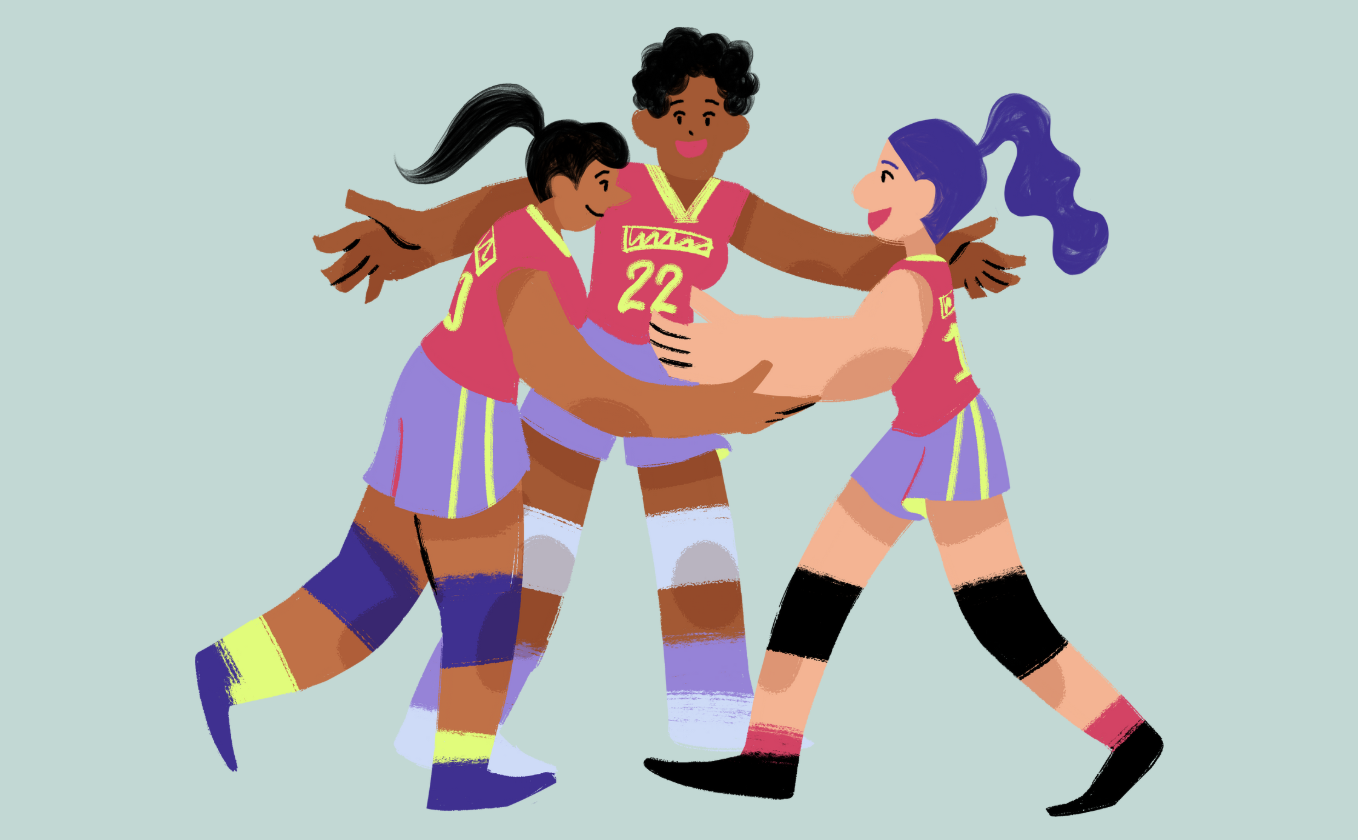
Building Mental Strength and Team Cohesion for Better Athletic Performance
Great teams aren’t just built in the weight room — they’re built in the mindset athletes bring to training and the trust they build with each other. Mental strength keeps individuals focused under pressure, while team cohesion turns a group of athletes into a united, high-performing force. When these two elements come together, teams don’t just play — they compete with clarity, resilience, and purpose. Here’s how to develop both.
Psychological Preparation for Extreme Sports: Building Mental Toughness Beyond the Norm
In extreme sports, the stakes are high — and so is the pressure. Whether you're dropping into a steep descent, climbing above the clouds, or facing unpredictable terrain, your mind is right there with you. And it needs training just as much as your body does. Mental resilience isn’t about being fearless. It’s about staying focused, calm, and adaptive when it counts. Here’s how to build the kind of psychological toughness that helps you not just face the extreme — but thrive in it.
Mental Health for Retired Athletes: Coping with Life Beyond Sports
Retiring from sports is more than stepping away from competition — it’s stepping away from a life rhythm, identity, and purpose that’s shaped who you are. But while this transition brings emotional challenges, it also offers space for rediscovery, reflection, and redefining success. With the right support and mindset, life after athletics can be just as fulfilling — and even more freeing.

The Psychological Effects of Overtraining Syndrome and How to Recover
You’re training harder than ever, but instead of feeling stronger, you’re exhausted — mentally and physically. Sound familiar? Overtraining Syndrome (OTS) is more than just fatigue. It’s a full-body, full-brain burnout that can dull your motivation, disrupt your mood, and drain the joy from your sport. The problem isn’t that you’re not tough enough. It’s that your recovery hasn’t kept pace with your effort. In this guide, we explore the psychological side of overtraining and how to rebuild resilience, one intentional step at a time.

The Role of Emotional Resilience in Overcoming Career-Ending Injuries
You’ve built your career, your rhythm, your identity — and then an unexpected injury or health crisis changes everything. It’s not just your body that needs to heal. Your mind, your emotions, and your sense of purpose all get pulled into the recovery process. Real resilience isn’t about pushing through or pretending everything’s fine — it’s about learning how to shift, adapt, and rebuild when life doesn’t go to plan. This kind of transformation doesn’t happen overnight, but with the right mindset and strategies, you can come back stronger in ways you didn’t expect.
Managing Spectator Pressure: Mental Strength Training for Athletes
Whether it’s a packed stadium, a sideline of shouting parents, or just a few people watching from the stands, the presence of spectators can change the game—literally and mentally. For some athletes, the crowd is fuel. For others, it’s a source of pressure that derails focus and performance. But managing that pressure is a trainable skill. With the right strategies, athletes can stay composed, confident, and even thrive under the spotlight. Here’s how mental strength training can help you perform at your best, no matter who’s watching.
How Your Environment Shapes Motivation & Confidence in Sport
Confidence doesn’t grow in a vacuum—it grows in an environment. Whether you're stepping onto a field, into a gym, or starting a new class, the atmosphere around you plays a powerful role in shaping your motivation and self-belief. When effort and learning are celebrated over comparison and ranking, athletes don’t just improve—they stay in the game longer, enjoy it more, and build the kind of confidence that lasts. Here’s how the right climate can transform motivation from the inside out.
Building a Mentally Supportive Environment for Female Athletes: Key Strategies
For female athletes, performance isn't just about physical training—it’s about mental strength, confidence, and having a supportive environment. A team culture that prioritizes mental well-being can empower athletes to reach their full potential while fostering resilience and long-term success. By promoting open conversations, addressing gender-specific challenges, and providing mental skills training, coaches and organizations can create an atmosphere where female athletes thrive both on and off the field.
Have a Question for Us?
Call us at 437-826-9365 or schedule an ask us anything chat.
We can talk about how working with a therapist and/or mental performance coach can help you.
No charge. No obligation.